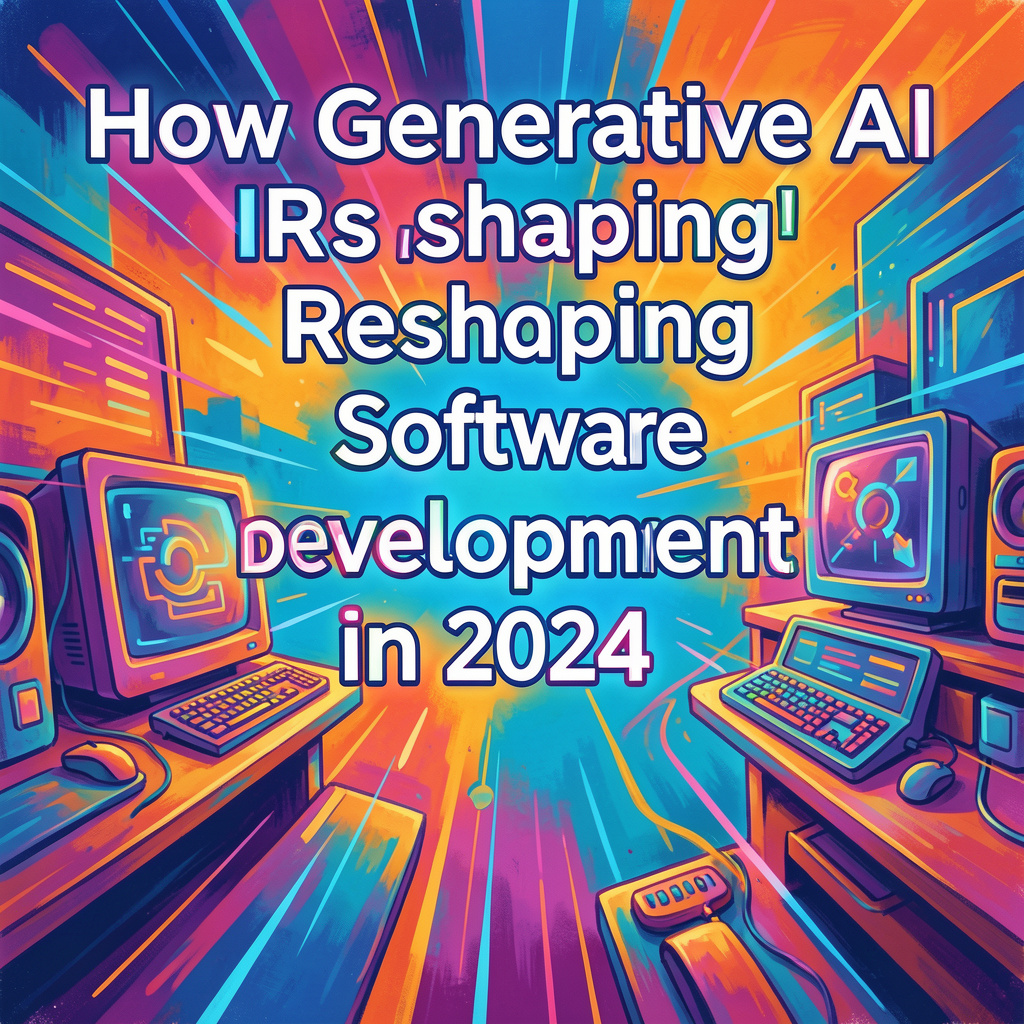
How Generative AI Is Reshaping Software Development in 2024
Code just got a new co-writer. It’s not human, but it’s learning fast. Last month, a developer friend told me she shipped a feature in two days that would’ve taken two weeks a year ago. She didn’t suddenly become a genius—she just started using GitHub Copilot. And she’s not alone. In 2024, generative AI isn’t some far-off sci-fi dream; it’s already sitting beside programmers, whispering suggestions, and sometimes writing entire functions while they sip coffee.
But let’s back up. What does “generative AI” actually mean here? Think of it as a really smart autocomplete. You type a comment like “// sort this list by date,” and the AI fills in the code. It’s trained on mountains of public code—billions of lines—so it’s seen almost every pattern. The big players? GitHub Copilot, Amazon CodeWhisperer, and a bunch of startups. Copilot alone has over 1.3 million paid subscribers as of early 2024. That’s not a niche tool anymore; that’s a movement. I find this part often gets ignored: it’s not just about speed. It’s about who gets to build. Suddenly, a marketer with a half-remembered Python course can prototype a dashboard. A designer can tweak a React component without begging an engineer. The barrier is crumbling.
So, is this the end of developers? I get that question a lot. No. But the job is morphing. Instead of sweating syntax, you’re guiding the AI, reviewing its output, stitching pieces together. It’s like going from being a bricklayer to an architect. You still need to know if the building will stand, but you’re not mixing the mortar. That shift is huge. Junior devs, especially, are learning faster because they can ask the AI “why did you do that?” and get an instant explanation. But there’s a catch. AI can hallucinate—confidently spit out code that looks right but has a subtle security flaw. You still need a human with a skeptical eye. Can we trust code we didn’t write? That’s the million-dollar question.
Testing and debugging are getting a makeover too. Tools like CodiumAI don’t just write tests; they analyze your code and suggest edge cases you’d miss. Imagine you’re building a login form. The AI might say, “Hey, what if the user pastes a 10,000-character password? Let’s test that.” It’s like having a paranoid QA engineer on speed dial. And it’s not just catching bugs—it’s explaining them in plain English. “This loop could run forever because you forgot to increment the counter.” That’s a real message I saw last week. The result? Developers spend less time hunting ghosts and more time solving actual problems.
Here’s where it gets really interesting: AI is creeping into the soft stuff. Documentation, code reviews, even project planning. I watched a team use an AI tool to summarize a 200-comment pull request debate into three bullet points. It wasn’t perfect, but it cut the noise. And for onboarding, new hires can ask a chatbot that’s read the entire codebase, “Where’s the payment logic?” instead of pestering colleagues. It’s not sexy, but it saves hours. One survey from Stack Overflow in 2023 found that 70% of developers are already using or plan to use AI tools. In 2024, that number’s probably higher. But here’s my worry: are we building a generation of devs who can’t code without a crutch? If the AI goes down, do they freeze? It’s a real risk we’re only starting to talk about.
And yet, the creativity unleashed is undeniable. I spoke to a startup founder who built an entire MVP in a weekend using nothing but natural language prompts. “Build me a React app with a Node backend that lets users upload photos and vote on them.” The AI scaffolded it, wrote the routes, even styled the buttons. He tweaked it for a few hours, and it was live. That’s insane. But it’s also a little terrifying. What happens when anyone can do that? The value shifts from “I can code” to “I know what to build and why.” Empathy, design thinking, domain expertise—those become the superpowers. The code itself becomes a commodity.
So where does this leave us? In a messy, exciting middle. Generative AI isn’t magic; it’s a mirror reflecting our collective code back at us, with all its brilliance and bugs. It won’t replace developers, but it will replace developers who don’t use it. The craft is changing, and honestly, it’s about time. We’ve been typing the same boilerplate for decades. Let the machines handle that. The real work—understanding people, solving fuzzy problems, making something that matters—that’s still ours. For now.