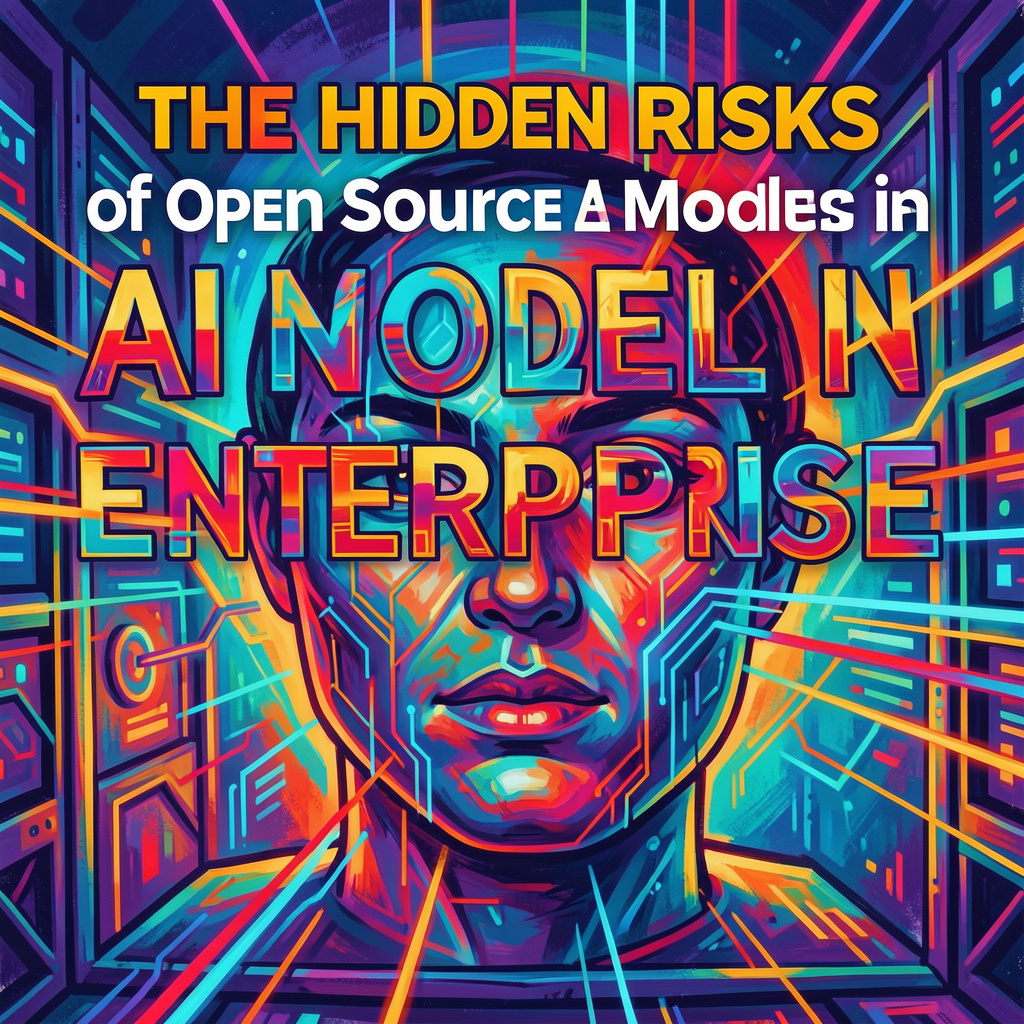
The Hidden Risks of Open Source AI Models in Enterprise
It starts with a promise. Free, flexible, transparent — open source AI models like Meta’s Llama 2 or Mistral’s latest offerings seem like the perfect fit for companies tired of vendor lock-in. I’ve watched teams light up when they realize they can tweak the code, run it on their own servers, and skip the per-token fees. But here’s the thing: that freedom comes with strings attached, and they’re not always visible at first glance. Last year, a midsize fintech firm I know adopted an open source language model for customer support. Within weeks, they discovered the model had been fine-tuned on a dataset riddled with biased financial advice — something the original documentation never mentioned. They spent months cleaning up the mess. And that’s just one tiny story in a much larger, messier picture.
Security, honestly, is where I see the most dangerous blind spots. When you pull a model from a public repository, you’re not just getting code — you’re inheriting a supply chain you didn’t audit. In 2023, researchers found that over 30% of popular open source AI components on Hugging Face contained unpatched vulnerabilities, some allowing remote code execution. Think about that. Your shiny new chatbot could be a backdoor into your entire network. And because these models are often a patchwork of community contributions, the responsibility for fixing those flaws falls squarely on your team. No vendor to call. No emergency patch Tuesday. Just you, a GitHub repo, and a prayer that someone’s already flagged the issue. Isn’t that a bit like building a house on land you never surveyed?
But the risks aren’t just technical — they’re legal and ethical, too. Open source licenses are a minefield. Take the case of a startup that used a model under the Creative Commons Non-Commercial license, only to realize their “internal tool” technically generated revenue when it helped close a sale. They faced a cease-and-desist that nearly tanked their product launch. I’ve seen this go wrong more times than I can count. And then there’s the data: models trained on scraped web content can regurgitate copyrighted text or personal information without warning. You can’t just shrug and say “the AI did it.” Regulators are watching, and the fines under GDPR or the upcoming EU AI Act can reach into the millions.
So what’s the move? You don’t have to abandon open source — it’s still a powerful tool. But you’ll need a strategy that feels almost paranoid. Vet models like you’d vet a new hire: check the training data, scan for vulnerabilities, and read the license like a lawyer. Use tools like ModelScan or OpenSSF Scorecards to automate some of that grunt work. And always, always have a rollback plan. Because when something breaks — and it will — you won’t have the luxury of pointing fingers. Honestly, this part often gets ignored until it’s too late. Can your team really afford to learn that lesson the hard way?